When shopping for a spa in Ontario, energy efficiency during sub-zero temperatures is usually top of mind. For decades, the industry standard was clear: if you wanted a hot tub to withstand harsh Canadian winters, you bought a unit with full foam insulation.
However, modern spa engineering has undergone a major shift. Today, many premium spa manufacturers—and we at SkyBlue are no exception—are stepping away from traditional full foam in favour of advanced perimeter thermal barrier insulation (also known as radiant heat shield or thermal trap insulation).
If you are wondering why this shift is happening and which insulation method offers the best long-term value, energy savings, and peace of mind for your home, this complete comparison guide breaks down everything you need to know.
The Old Standard: What is Full Foam Insulation?
In a full foam hot tub, open or closed-cell polyurethane foam is sprayed directly into the cabinet cavity, completely filling the empty space between the acrylic shell and the exterior siding.
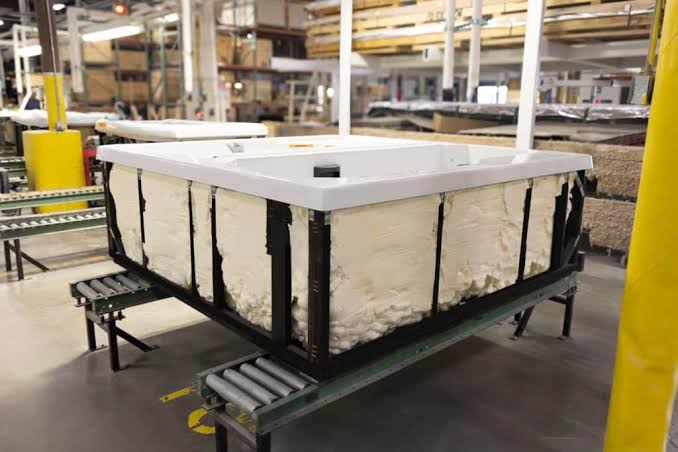
Why It Was Popular Historically
In the early days of spa manufacturing, acrylic shells were thinner and prone to flex under the heavy weight of hundreds of gallons of water. Filling the cabinet with dense foam solved two problems at once: it trapped heat inside and acted as structural support for the shell and plumbing lines.
The Hidden Drawbacks of Full Foam in Canadian Climates
While full foam offers high thermal retention initially, years of real-world use in cold climates revealed severe long-term drawbacks:
- Nightmare Leak Repairs: If a fitting or jet body develops a leak after 5 to 7 years, service technicians must spend hours digging out wet, hardened foam just to locate the issue. A basic $50 seal replacement can easily turn into a $1,500+ labour invoice.
- Water Absorption and Sinking R-Value: If moisture penetrates closed-cell foam over time, the foam acts like a dense sponge. Waterlogged foam completely loses its insulation capability and adds hundreds of pounds of dead weight to your spa.
- Pest and Rodent Damage: In rural and suburban Ontario, mice and chipmunks frequently burrow into warm, soft full foam during winter, destroying plumbing lines and electrical harnesses in the process.
- Wasted Motor Heat: Hot tub pumps and heaters generate significant ambient heat while running. Full foam blocks this free motor heat from reaching the plumbing, venting it straight out of the equipment bay into the freezing air.
The Modern Choice: Perimeter Thermal Barrier Insulation
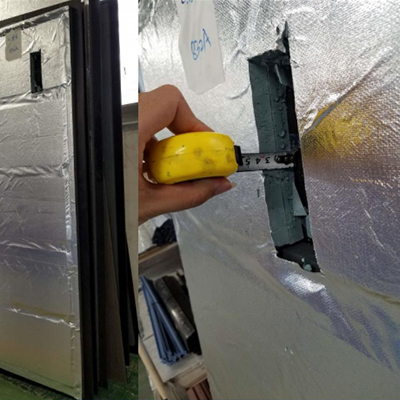
Perimeter insulation takes an engineered approach inspired by modern home building and thermoflask technology. Instead of stuffing the cabinet with foam, high-density reflective foil insulation and thermal barrier panels line the interior walls and base floor (ABS pan) of the spa cabinet.
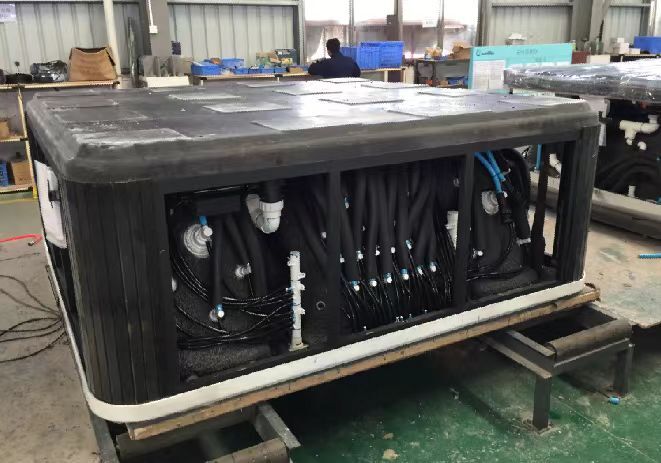
How the "Thermal Trap" Effect Works
Perimeter insulation leaves the interior air space around the plumbing open. During operation, heat generated by the pumps and motor is reflected back inside the cabinet. This creates a warm, regulated microclimate around all internal pipes, manifold lines, and the underside of the acrylic shell.
Key Advantages of Perimeter Thermal Barrier Insulation
- 100% Serviceability & Lower Maintenance Costs: Accessing any pipe, jet, or sensor requires only removing an exterior cabinet panel. Service technicians can inspect every component in seconds, keeping future repair costs minimal.
- Recycled Waste Heat Recovery: By trapping ambient motor heat inside the cabinet cavity, perimeter systems reduce how often the electric heater needs to kick on, optimizing your monthly Hydro bill during winter.
- Freeze Protection During Power Outages: If Ontario experiences a winter storm power outage, the warm air trapped within the sealed cabinet continues to insulate the pipes far longer than full foam, preventing catastrophic pipe bursts.
- Rodent-Resistant Environment: Reinforced ABS bottom pans combined with foil-backed perimeter walls offer no nesting material for pests, keeping internal components safe year-round.
The Verdict: What Should Ontario Buyers Choose?
While full foam was once considered the gold standard, modern spa design has evolved. Today's high-end, Canadian-grade hot tubs feature multi-layered acrylic shells reinforced with fiberglass, eliminating the need for foam as structural support.
For Ontario homeowners looking for the perfect balance of high energy efficiency, low Hydro costs, and stress-free long-term maintenance, spas engineered with multi-layer perimeter thermal barrier insulation represent the smartest, most reliable investment.
Looking for a Winter-Ready Spa in Ontario?
Explore our line-up of energy-efficient hot tubs equipped with multi-stage thermal barrier insulation, built specifically to conquer Canadian winters.
Frequently Asked Questions (FAQ)
Is perimeter insulation really warm enough for Ontario winters?
Yes! When paired with a heavy-duty 4-to-3-inch tapered insulated cover and a sealed ABS bottom pan, perimeter insulation meets strict CEC energy standards and easily handles extreme Canadian winter freezes.
Why do some cheap hot tubs still use full foam?
Budget manufacturers often use low-density foam to reinforce thin, low-quality acrylic shells rather than investing in thick, multi-layer fiberglass reinforcement.
How much does full foam leak repair cost compared to perimeter insulation?
Locating and repairing a plumbing leak in a full foam tub typically costs $800 to $2,000+ due to extensive labour required to dig out foam. In a perimeter-insulated tub, the same repair typically costs under $300.